
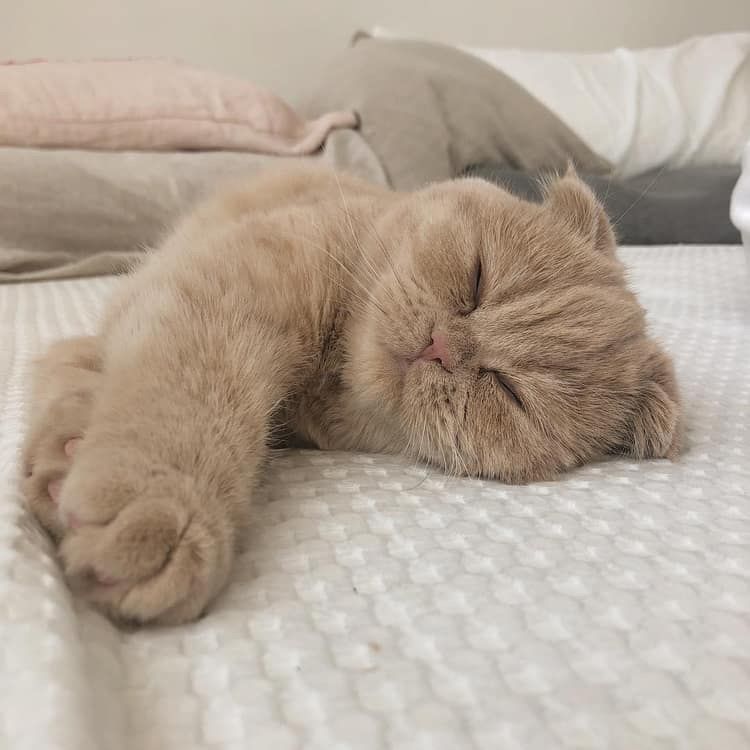
The Ragdoll is a large, semi-longhaired cat known for its placid temperament, blue eyes, and tendency to go limp when held, a behaviour that gave the breed its name. Ragdolls are sociable, gentle, and bond closely with their human families. Their care requirements are moderate: the coat needs regular but not intensive grooming, and their predisposition to certain cardiac and kidney conditions means proactive health screening is important.
For a full overview of the Ragdoll's personality, coat patterns, and breed history, see the Ragdoll breed profile.
Daily and Weekly Care Requirements
Ragdolls are people-oriented cats that thrive on companionship and routine. They are indoor-only cats in the opinion of most veterinary and breed organisations because their trusting, low-defence temperament makes them vulnerable outdoors.
Daily Care Tasks
- Interaction and social contact: Ragdolls do not tolerate extended periods of solitude well. A minimum of 30 to 45 minutes of active interaction per day is needed. Consider a feline or canine companion if you are away for more than eight hours on a regular basis.
- Fresh water: Provide clean water daily. Use a wide, stable bowl or cat fountain.
- Feeding: Two structured meals per day. Ragdolls are large cats with slow metabolisms and can become obese if fed ad libitum.
- Coat check: Run hands over the coat daily, focusing on the collar area, armpits, and between the hind legs. These areas are most prone to matting in Ragdolls.
- Litter box: Scoop at least once daily. Use a large box to accommodate the Ragdoll's considerable size.
Weekly Care Tasks
- Full brushing session: Two to three times per week with a stainless steel comb and soft brush.
- Ear inspection: Check for wax, debris, or odour. Clean gently with a veterinarian-approved solution if needed.
- Nail trim: Every two weeks.
- Dental brushing: Two to three times per week. See cat dental care guide for technique guidance.
Grooming Specifics for the Ragdoll
The Ragdoll's semi-long coat is silky and low-shedding compared to double-coated breeds, but it still requires regular maintenance. The coat texture is similar to rabbit fur, soft and smooth, which means it does not mat as severely as Persian fur, but tangles can still develop if grooming is neglected.
"Establishing a grooming routine during kittenhood is one of the most valuable investments an owner can make. Cats accustomed to brushing, ear cleaning, and nail trimming from a young age are easier to care for throughout their entire lives and more cooperative during veterinary examinations." International Cat Care, Feline Behaviour and Husbandry, 2019
Recommended Tools
- Stainless steel wide-tooth comb for daily detangling
- Soft slicker brush for finishing and distributing natural oils
- Rubber grooming mitt for gentle use around the face and belly
Seasonal Shedding
Ragdolls do not have a true undercoat, which keeps shedding to a moderate level. However, they do shed more in spring. During this period, increase brushing to daily sessions and consider a fine-toothed comb to remove the seasonal coat efficiently.
Bathing
Ragdolls generally tolerate bathing well. Bathing every six to eight weeks is sufficient for most cats and helps manage shedding. Use a gentle, cat-formulated shampoo. Ensure thorough drying; the semi-long coat holds moisture, and damp skin can become irritated. See how to groom your cat at home for a step-by-step bathing guide.
Hindquarter Area
Ragdolls can develop hygiene issues around the hindquarters, particularly if the coat is very long there or if the cat has a soft stool episode. Keep the fur around this area trimmed short or check it regularly.
Feeding Recommendations
Ragdolls are a large breed. Males typically reach 6 to 9 kilograms; females are somewhat smaller at 4.5 to 6 kilograms. Like Maine Coons, they grow slowly and do not reach full size until approximately four years of age.
Nutritional Priorities
Ragdolls benefit from a high-quality, high-protein diet. The presence of taurine is particularly important, as taurine deficiency can contribute to dilated cardiomyopathy (DCM), a condition Ragdolls can be predisposed to alongside HCM.
Portion Guidance
| Life Stage | Daily Caloric Intake (Approximate) | Feeding Schedule |
|---|---|---|
| Kitten (under 12 months) | 200-280 kcal | 3 times per day |
| Junior/Growing (1-3 years) | 280-380 kcal | 2-3 times per day |
| Adult (3-8 years) | 250-330 kcal | 2 times per day |
| Senior (8+ years) | 200-270 kcal | 2 times per day |
Monitor body condition regularly. A healthy Ragdoll should have a slight waist visible from above and ribs that can be felt with light pressure. See how much to feed a cat by weight for weight-based calculations.
Wet Food and Hydration
Mixing wet food into the diet supports kidney health and urinary tract function. A combination of wet food once daily and a measured portion of dry food provides both hydration and dental benefit. For a detailed comparison, see wet vs dry cat food: which is better.
Hairball Management
While Ragdolls shed less than many longhaired breeds, their grooming habits still result in ingested fur. Consider a fibre-supplemented diet or periodic hairball paste if your cat vomits hairballs more than once per month.
Foods to Avoid
Avoid onions, garlic, grapes, raisins, and any food containing xylitol. Consult foods toxic to cats for a complete list of dangerous foods.
Exercise and Enrichment Needs
Ragdolls are calm and moderately active. They enjoy play but are not as persistently energetic as breeds such as Abyssinians or Bengals. Their play style tends to be gentle and exploratory rather than intensely athletic.
Physical Activity
Two play sessions per day, each 15 to 20 minutes, are adequate for most Ragdolls. Wand toys, feather teasers, and soft ball toys are typically well received. Ragdolls often enjoy being carried around the house and will follow their owners from room to room, which provides low-level activity throughout the day.
Enrichment Schedule
| Enrichment Type | Recommended Frequency | Notes |
|---|---|---|
| Interactive play (wand toys) | Daily | 2 sessions of 15-20 minutes |
| Puzzle feeders | 3-4 times per week | Slow feeders reduce overeating |
| Window perches | Permanent | Ragdolls enjoy watching birds and activity outside |
| Cat trees (medium height) | Permanent | Lower to mid-height preferred |
| Training (sit, come, fetch) | Several times per week | Ragdolls are trainable and enjoy learning |
Social Needs
Ragdolls are among the most social of all cat breeds. They often greet visitors at the door, follow family members around, and tolerate, even enjoy, the company of calm dogs. A second cat or a gentle dog is often beneficial in households where the owners work full-time.
For strategies to enrich indoor life, see how to keep your cat indoors safely.
Health Monitoring
Ragdolls are generally healthy, but their predisposition to cardiac and kidney conditions means proactive monitoring is important.
Home Health Checks
Perform these checks weekly:
- Breathing rate at rest: Count chest rises per minute while the cat is sleeping. A normal resting respiratory rate is 15 to 30 breaths per minute. A consistent rate above 30 can indicate early heart disease.
- Weight: Weigh monthly. Unexplained weight loss is often the first sign of kidney disease or hyperthyroidism in older cats.
- Gum colour: Healthy gums are pink. Pale, white, or blue gums are emergencies.
- Eyes: Should be bright and clear. Ragdolls can occasionally suffer from progressive retinal atrophy; note any changes in night vision behaviour or eye cloudiness.
- Litter box: Monitor urine volume and frequency. Decreased output or straining warrants immediate veterinary attention.
Common Breed-Specific Health Concerns
"Hypertrophic cardiomyopathy remains the most commonly diagnosed cardiac disorder in cats, with certain breeds including Ragdolls showing elevated prevalence compared to the general population. Echocardiographic screening is the gold standard for detection." Paige, C.F., Journal of Veterinary Internal Medicine, 2009
Hypertrophic Cardiomyopathy (HCM)
Like Maine Coons, Ragdolls have a documented genetic predisposition to HCM. A specific MYBPC3 mutation has been identified in the breed. Affected cats may show no symptoms for years before sudden cardiac events. Annual cardiac screening by echocardiography, starting at age two, is strongly recommended. Request genetic testing (MYBPC3 mutation screen) from your breeder.
Feline Infectious Peritonitis (FIP) Susceptibility
Some research suggests that Ragdolls may be slightly more susceptible to FIP than average. FIP is caused by a mutated form of feline coronavirus. The risk is higher in multi-cat environments. Vaccination options and antiviral treatments have evolved significantly; consult your veterinarian for current guidance.
Polycystic Kidney Disease (PKD)
Ragdolls can carry the PKD1 gene mutation. Genetic testing is available and should be requested from breeders. Regular kidney function checks via blood and urine tests from age five are advisable even in PKD-negative cats.
Bladder Stones
Ragdolls may have an increased tendency to form urinary crystals and bladder stones. Signs include straining in the litter box, blood in urine, or frequent short urination attempts. A moisture-rich diet is a primary preventive measure.
Environmental Needs
Indoor-Only Status
Ragdolls should be kept as indoor-only cats. Their trusting, non-defensive nature means they do not respond appropriately to threats from other animals, traffic, or humans. A catio provides outdoor enrichment safely.
Space Requirements
Ragdolls do not need large spaces but appreciate vertical territory. A cat tree of medium height, wall-mounted shelves, and access to windows provide adequate territory within a standard home or apartment.
Companion Animals
If leaving a Ragdoll alone for extended periods, a feline companion or a calm, cat-friendly dog provides important social enrichment. Introduce new animals gradually using scent swapping over one to two weeks before visual introduction.
Sleeping Areas
Ragdolls will often sleep alongside their owners if permitted. Provide soft, warm beds in multiple locations. Heated beds or blankets are appreciated, particularly by senior cats.
Vet Visit Schedule
"Owners of companion animals often underestimate the value of routine wellness examinations. By the time most clinical signs are apparent, disease processes may be well-advanced. Subclinical hypertrophic cardiomyopathy, for example, can exist for years before overt heart failure." Côté, E., et al., Journal of Veterinary Cardiology, 2011
| Age | Visit Frequency | Key Focus Areas |
|---|---|---|
| 0-6 months | Every 3-4 weeks | Vaccinations, deworming, genetic testing |
| 6-12 months | Once | Spay/neuter, HCM genetic screen, booster vaccines |
| 1-7 years | Annually | Full exam, cardiac auscultation, weight monitoring |
| 7+ years | Every 6 months | Bloodwork, urinalysis, kidney function, cardiac echo |
Request an echocardiogram at age two to establish a cardiac baseline, and repeat every one to two years thereafter.
Summary
Ragdolls are ideal companions for owners who can provide consistent social interaction and proactive veterinary care. Their grooming needs are moderate, regular but not daily brushing is usually sufficient. Their most significant health risks are cardiac (HCM) and renal (PKD), both of which can be substantially managed through genetic testing and regular screening. With appropriate care, Ragdolls typically live 12 to 17 years.
References
- Paige, C.F., et al. (2009). Prevalence of cardiomyopathy in apparently healthy cats. Journal of Veterinary Internal Medicine, 23(6), 1338-1343. https://doi.org/10.1111/j.1939-1676.2009.0387.x
- International Cat Care. (2019). Feline behaviour and husbandry. https://icatcare.org/advice/
- Meurs, K.M., et al. (2007). A substitution mutation in the myosin binding protein C gene in ragdoll hypertrophic cardiomyopathy. Genomics, 90(2), 261-264. https://doi.org/10.1016/j.ygeno.2007.04.007
- Pedersen, N.C. (2009). A review of feline infectious peritonitis virus infection: 1963–2008. Journal of Feline Medicine and Surgery, 11(4), 225-258. https://doi.org/10.1016/j.jfms.2008.09.008
- Côté, E., et al. (2011). Assessment of the prevalence of heart murmurs in overtly healthy cats. Journal of the American Veterinary Medical Association, 238(3), 320-328. https://doi.org/10.2460/javma.238.3.320
- Lyons, L.A. (2012). Feline genetics: Clinical applications and genetic testing. Journal of Feline Medicine and Surgery, 14(1), 10-19. https://doi.org/10.1177/1098612X11432426
Frequently Asked Questions
Do Ragdoll cats shed a lot?
Ragdolls shed moderately. They lack a dense undercoat, which keeps shedding lower than many longhaired breeds. Shedding increases in spring. Regular brushing two to three times per week controls loose fur and prevents mat formation.
Are Ragdolls good with children and dogs?
Ragdolls are among the most tolerant of all cat breeds and generally do well with calm children and dog-friendly households. Introduce any new animal gradually. Teach children not to pick up the cat without supervision, as the Ragdoll’s limpness when held does not mean they cannot be injured by rough handling.
How do I know if my Ragdoll has heart disease?
HCM often produces no symptoms in early stages. A routine echocardiogram detects thickening of the heart walls before clinical signs appear. Visible signs of advanced disease include rapid resting breathing (over 30 breaths per minute), lethargy, loss of appetite, and sudden hind-limb weakness, which can indicate arterial thromboembolism, a cardiac emergency.
Can Ragdoll cats go outside?
Most veterinarians and breed organisations recommend keeping Ragdolls as indoor-only cats. Their passive, non-defensive temperament leaves them ill-equipped to handle threats from other animals, traffic, or unfamiliar people. A secured catio provides outdoor enrichment without these risks.
What is the typical lifespan of a Ragdoll cat?
Well-cared-for Ragdolls typically live 12 to 17 years. Regular cardiac screening, kidney monitoring from middle age, and appropriate diet management are the most significant factors influencing longevity.
How many meals should I feed my Ragdoll per day?
Feed adult Ragdolls twice daily with measured portions. Free-feeding is not recommended as Ragdolls can easily become overweight. Kittens under 12 months should receive three meals per day to support their significant growth requirements.