
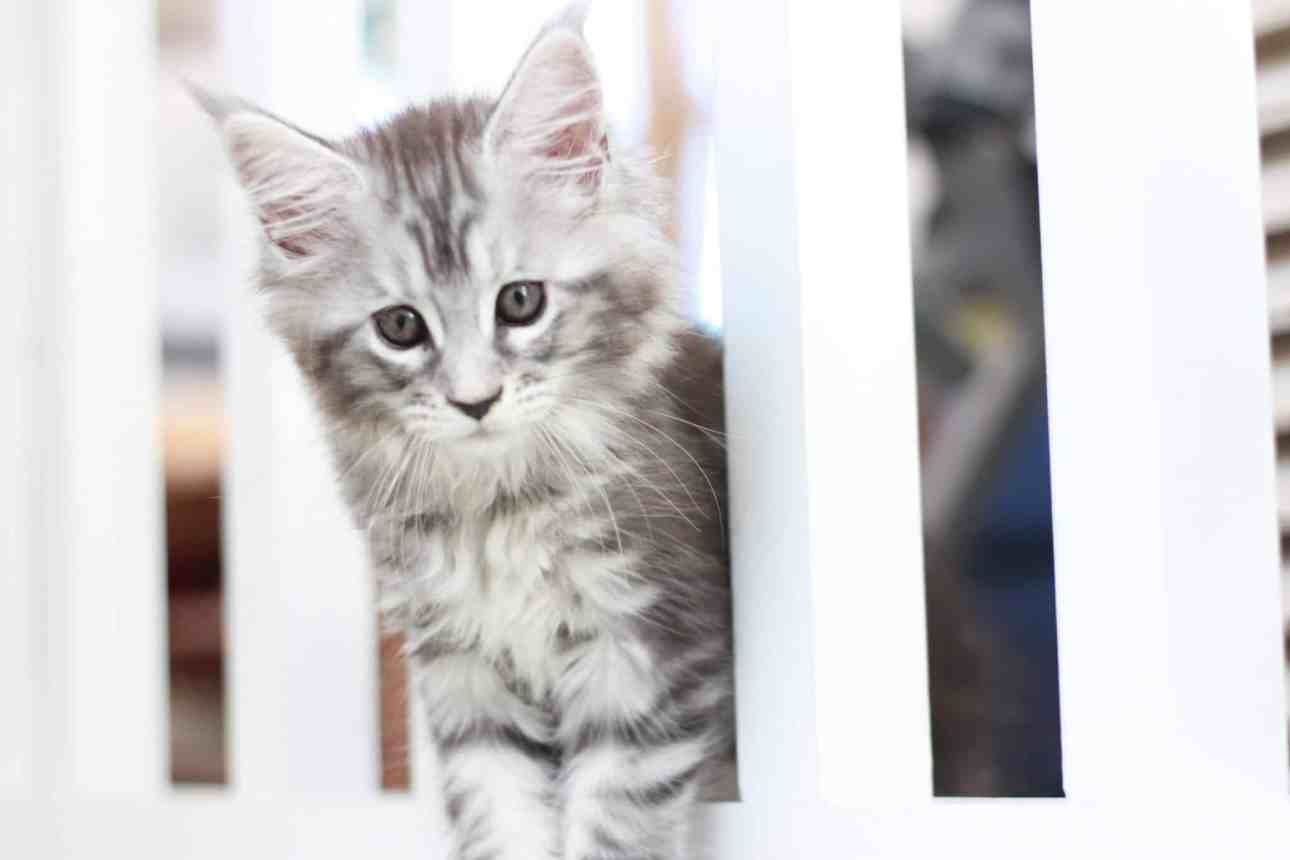
The Maine Coon is one of the oldest and largest domestic cat breeds in North America. Known for their dog-like temperament, tufted ears, and luxurious semi-long coats, these cats require attentive but rewarding care. This guide covers every aspect of daily and long-term Maine Coon ownership, from grooming their thick fur to monitoring breed-specific health conditions.
If you want a broader overview of the breed's history, personality, and origins, see the full Maine Coon breed profile.
Daily and Weekly Care Requirements
Maine Coons are active, sociable cats that thrive on interaction and routine. Their care schedule differs from many other domestic breeds because of their size, coat density, and high intelligence.
Daily Care Tasks
- Fresh water: Maine Coons are prone to kidney disease and urinary issues, making daily fresh water essential. Many owners report that Maine Coons prefer running water; a cat fountain is a practical long-term investment.
- Feeding: Divide daily food into two or three meals rather than free-feeding. Monitor intake carefully, as Maine Coons can become overweight if food is always available.
- Litter box maintenance: Scoop at least once per day. Given their larger-than-average body size, use a box that is at least 1.5 times the length of the cat.
- Social time: Maine Coons dislike being left alone for extended periods. Daily interactive play sessions of at least 20 to 30 minutes are important for mental health.
- Coat check: Run your fingers through the coat daily to catch mats before they tighten, especially behind the ears, under the armpits, and around the collar area.
Weekly Care Tasks
- Full brush session: A thorough combing of the entire coat, including the belly ruff and tail plume, once or twice per week.
- Ear inspection: Check for redness, odour, or excess wax. Maine Coons with heavily tufted ears can accumulate debris faster than other breeds.
- Nail trim: Trim every one to two weeks. Provide scratching posts to reduce wear on furniture and to support natural nail maintenance.
- Dental brushing: Aim for two to three brushing sessions per week using a cat-specific toothpaste. See the cat dental care guide for technique and product guidance.
Grooming Specifics for the Maine Coon
The Maine Coon's coat is one of its most distinctive features. It is semi-long, silky rather than woolly, and has a natural layered structure: a shorter undercoat and longer guard hairs. Unlike Persian cats, the Maine Coon coat was designed by natural selection for wet and cold climates, which means it is relatively tangle-resistant compared to double-coated breeds with denser wool. However, it still requires consistent grooming.
"Regular grooming not only keeps the coat healthy but also provides an opportunity to identify skin abnormalities, parasites, and lumps early. Cats that are accustomed to handling from kittenhood are significantly easier to examine during veterinary appointments." American Association of Feline Practitioners, Feline Life Stage Guidelines, 2021
Tools You Will Need
- A wide-tooth metal comb for detangling
- A slicker brush for finishing and removing loose hair
- Thinning shears (optional) for trimming around sanitary areas and paw pads
Grooming Frequency
During spring and autumn, when Maine Coons shed more heavily, daily brushing is recommended. In winter and summer, two to three sessions per week are typically sufficient.
Bathing
Unlike many cats, Maine Coons often tolerate, and some actively enjoy, water. Bathing every six to eight weeks can help reduce shedding and keep the coat clean. Use a mild, cat-formulated shampoo and dry thoroughly with a low-heat dryer or warm towel to prevent chilling. See how to groom your cat at home for a step-by-step bathing guide.
Mat Removal
If mats do form, work them apart gently with your fingers before using a comb. Never pull sharply on a mat. For severely matted coats, consult a professional groomer or veterinarian, as cutting mats close to the skin risks cutting the cat.
Ear Cleaning
The tufted interior of Maine Coon ears traps more debris than smooth-eared breeds. Use a cotton ball dampened with a veterinarian-approved ear cleaner once per week if tufts are heavy. Never insert anything into the ear canal.
Feeding Recommendations
Maine Coons are a large breed; adult males typically weigh between 6 and 9 kilograms, with females slightly smaller at 4 to 6 kilograms. Their nutritional needs differ from average-sized domestic cats.
Protein and Fat Requirements
Maine Coons benefit from a high-protein diet. Look for foods where a named meat (chicken, turkey, salmon) is listed as the first ingredient. Adult Maine Coons should receive a food with at least 30 to 35 percent protein on a dry-matter basis.
Portion Guidance
| Life Stage | Daily Caloric Intake (Approximate) | Feeding Frequency |
|---|---|---|
| Kitten (under 12 months) | 200-300 kcal | 3-4 times per day |
| Junior (1-2 years, still growing) | 300-400 kcal | 2-3 times per day |
| Adult (2-7 years) | 250-350 kcal | 2 times per day |
| Senior (7+ years) | 200-280 kcal | 2 times per day |
Caloric needs vary by activity level, sterilisation status, and individual metabolism. Use the guidelines on food packaging as a starting point and adjust based on body condition score. A healthy Maine Coon should have a visible waist when viewed from above and ribs that are palpable but not visible.
For detailed calorie calculations, see how much to feed a cat by weight.
Wet Versus Dry Food
Incorporating wet food into the diet provides additional hydration, which is particularly important for Maine Coons given their predisposition to kidney issues. A common approach is to feed wet food once daily and leave a portion of dry food as a meal. See wet vs dry cat food: which is better for a full comparison.
Foods to Avoid
Maine Coons should never be fed onions, garlic, grapes, raisins, chocolate, xylitol-containing foods, or alcohol. For a complete list, see foods toxic to cats.
Kitten Nutrition
Maine Coons grow slowly and are not considered fully mature until three to four years of age. Feed a food labelled for "all life stages" or specifically for kittens until at least 18 to 24 months. See the kitten feeding schedule by age for stage-specific guidance.
Exercise and Enrichment Needs
Maine Coons are among the most playful and energetic of the large domestic breeds. Without sufficient stimulation, they become bored and may develop destructive habits or anxiety.
Physical Exercise
Aim for at least two structured play sessions per day, each lasting 15 to 20 minutes. Wand toys that mimic bird or prey movements are particularly effective. Maine Coons often enjoy fetch, throwing a small toy and having the cat retrieve it is a genuine behaviour pattern in the breed, not a rare exception.
Mental Enrichment
| Enrichment Type | Examples | Frequency |
|---|---|---|
| Puzzle feeders | Maze bowls, Kong toys, snuffle mats | Daily |
| Interactive play | Wand toys, laser pointers (always end with a catchable toy) | Daily |
| Environmental climbing | Cat trees, wall shelves, window perches | Permanent fixture |
| Social enrichment | Training sessions (Maine Coons can learn commands) | 3-5 times per week |
| Hunting simulation | Hiding kibble, automated toys | Several times per week |
Outdoor Access
If outdoor access is possible, a secured catio (enclosed patio) allows Maine Coons to experience outdoor stimuli safely. Unsupervised outdoor access exposes cats to traffic, disease, parasites, and predators. For indoor-only Maine Coons, see how to keep your cat indoors safely for enrichment strategies.
Health Monitoring
Monitoring your Maine Coon's health at home between veterinary visits is an important part of care. Early detection of changes often makes treatment simpler and more effective.
Weekly Home Health Checks
- Weight: Weigh monthly using a baby scale or by weighing yourself holding the cat and subtracting. A change of more than 5 percent of body weight in a month warrants a vet call.
- Eyes: Should be clear, with no discharge or cloudiness.
- Ears: Check for head-shaking, scratching, or dark debris, which may indicate ear mites or infection.
- Coat condition: Sudden dullness or excessive shedding may reflect nutritional deficiency, stress, or illness.
- Gum colour: Healthy gums are pink and moist. Pale, white, blue, or yellow gums are emergencies.
- Litter box output: Changes in urination frequency, colour, or odour, or straining, require prompt veterinary attention.
Common Breed-Specific Health Concerns
"Maine Coons have a well-documented predisposition to hypertrophic cardiomyopathy (HCM), which is the most common cardiac disease in cats. Genetic testing and regular cardiac screening are strongly recommended for this breed." Cornell Feline Health Center, 2022
Hypertrophic Cardiomyopathy (HCM)
HCM causes the walls of the heart to thicken, reducing the heart's ability to pump blood efficiently. In Maine Coons, a specific genetic mutation (MYBPC3) has been identified. Responsible breeders test for this mutation, but HCM can also arise from non-genetic causes. Cardiac screening by echocardiography every one to two years from age two is recommended.
Spinal Muscular Atrophy (SMA)
SMA is a genetic disorder affecting the spinal cord neurons that control limb muscle movement. Affected kittens develop an unsteady gait, typically between three and four months of age. Reputable breeders screen for this mutation. The condition is not painful and affected cats can live normal lifespans with appropriate home modifications.
Hip Dysplasia
Maine Coons have a higher prevalence of hip dysplasia than many other breeds. The condition causes abnormal hip joint formation, leading to pain and reduced mobility, particularly in older cats. Management includes weight control, joint supplements (veterinarian guidance required), and in severe cases, surgical options.
Polycystic Kidney Disease (PKD)
While PKD is more commonly associated with Persian cats, Maine Coons can also carry the gene. Genetic testing and ultrasound screening from age two onwards are advisable.
Environmental Needs
Space
Maine Coons need more space than average-sized cats. A one-room apartment is workable if it contains adequate vertical space (tall cat trees, shelves) and the owner provides sufficient daily interaction. These cats are not suited to being left alone for more than eight to ten hours on a regular basis.
Temperature
The Maine Coon coat provides natural insulation, but the cat should not be left in environments below 10 degrees Celsius or above 30 degrees Celsius for extended periods.
Multi-Cat Households
Maine Coons are generally sociable with other cats and often do well in multi-cat households. Introduce new cats slowly, using scent swapping before visual contact.
Litter Box Setup
Use at least one more litter box than you have cats. For a single Maine Coon, two boxes in different locations is ideal. The box must be large enough for the cat to turn around comfortably, standard-sized boxes are typically too small.
Vet Visit Schedule
"Preventive care is the cornerstone of feline longevity. Regular veterinary examinations allow for early detection of conditions that, left untreated, significantly reduce quality of life." World Small Animal Veterinary Association, Vaccination Guidelines, 2022
| Age | Visit Frequency | Key Focus Areas |
|---|---|---|
| 0-6 months | Every 3-4 weeks | Vaccinations, parasite prevention, sexing, socialisation |
| 6-12 months | Once at 6 months | Spay/neuter discussion, booster vaccines |
| 1-7 years | Annually | Full physical, dental check, weight, cardiac screening |
| 7+ years | Every 6 months | Bloodwork, thyroid, kidney function, joint assessment |
At two years of age, request a cardiac echocardiogram to establish a baseline for HCM screening. Genetic testing for HCM (MYBPC3 mutation), SMA, and PKD can be done via a cheek swab through registered genetic testing laboratories.
Summary
Maine Coons are a rewarding breed for owners who can commit to their social and physical needs. Their semi-long coat requires consistent grooming, their large size demands appropriately sized equipment and higher caloric intake, and their genetic predispositions to cardiac and joint disease make proactive veterinary screening essential. In return, they offer loyalty, intelligence, and a notably affectionate personality.
References
- Cornell Feline Health Center. (2022). Hypertrophic Cardiomyopathy in Cats. Cornell University College of Veterinary Medicine. https://www.vet.cornell.edu/departments-centers-and-institutes/cornell-feline-health-center/health-information/feline-health-topics/hypertrophic-cardiomyopathy
- American Association of Feline Practitioners. (2021). AAFP Feline Life Stage Guidelines. Journal of Feline Medicine and Surgery, 23(3), 211-233. https://doi.org/10.1177/1098612X21993657
- Meurs, K.M., et al. (2005). A cardiac myosin binding protein C mutation in the Maine Coon cat with familial hypertrophic cardiomyopathy. Human Molecular Genetics, 14(23), 3587-3593. https://doi.org/10.1093/hmg/ddi386
- World Small Animal Veterinary Association. (2022). WSAVA Vaccination Guidelines. https://wsava.org/global-guidelines/vaccination-guidelines/
- Kittleson, M.D., et al. (1999). Familial hypertrophic cardiomyopathy in Maine Coon cats. Journal of Veterinary Internal Medicine, 13(3), 197-204. https://doi.org/10.1111/j.1939-1676.1999.tb02178.x
- He, Q., et al. (2011). Feline spinal muscular atrophy: Hardy-Weinberg equilibrium of the LIX1 deletion allele and age of disease onset in cats homozygous for the deletion. Journal of Veterinary Internal Medicine, 25(6), 1346-1349. https://doi.org/10.1111/j.1939-1676.2011.00806.x
Frequently Asked Questions
How often should I groom a Maine Coon?
Brush your Maine Coon two to three times per week under normal conditions, and daily during spring and autumn shedding seasons. Focus on behind the ears, under the armpits, and around the collar area where mats form most easily.
What health problems are Maine Coons prone to?
Maine Coons have genetic predispositions to hypertrophic cardiomyopathy (HCM), spinal muscular atrophy (SMA), hip dysplasia, and polycystic kidney disease (PKD). Genetic testing and annual cardiac echocardiograms from age two are strongly recommended.
How much should I feed my Maine Coon?
Adult Maine Coons typically need 250-350 kcal per day, split across two meals. Exact amounts depend on body weight, activity level, and whether the cat is sterilised. Use a body condition score to adjust portions rather than relying solely on package guidelines.
Are Maine Coons good indoor cats?
Maine Coons can adapt to indoor living if provided with adequate vertical space, daily interactive play, and social interaction. A tall cat tree, wall shelves, and at least two 20-minute play sessions per day are essential for their wellbeing.
Do Maine Coons need a large litter box?
Yes. Standard-sized litter boxes are too small for most adult Maine Coons. Use a box that is at least 1.5 times the cat’s body length, and ideally maintain two boxes in different locations even for a single cat household.
When should Maine Coon kittens switch to adult food?
Because Maine Coons grow slowly and reach full size at three to four years of age, feed a kitten or all-life-stages formula until at least 18 to 24 months. Switching too early can deprive them of the protein and calorie density needed for proper development.