
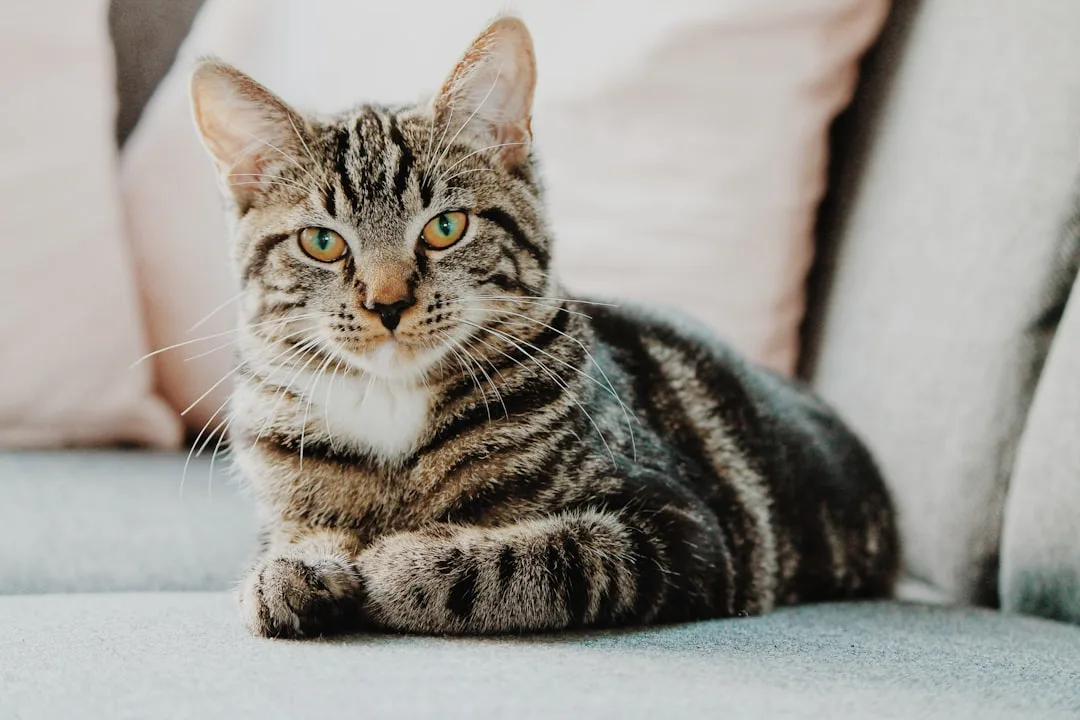
Not all cats are equally suited to apartment living. The right cat for a small indoor space is one whose temperament, activity level, vocalization patterns, social needs, and space requirements align with what an apartment can provide. Choosing a breed or individual well-matched to apartment life significantly improves welfare outcomes for the cat and quality of life for the owner.
This guide examines the breeds most reliably suited to apartment environments based on documented temperament research, veterinary behavioral assessments, and breed standard descriptions from major registries including the Cat Fanciers' Association (CFA) and The International Cat Association (TICA).
What Makes a Cat Suitable for Apartment Living?
Apartment suitability in cats depends on several interacting factors:
Activity level. A cat with very high exercise requirements will become frustrated and develop behavioral problems, destructive scratching, excessive vocalization, object manipulation, in a space that cannot support adequate physical activity. Calmer breeds with moderate activity needs are generally better suited to small spaces.
Vocalization tendency. Thin walls and close neighbors make a highly vocal cat a source of genuine conflict. Breeds with a tendency toward frequent, loud vocalization are more challenging in apartments, while quieter breeds are more practical.
Social independence versus dependency. Some breeds develop distress when left alone for long periods, which is incompatible with the schedules of many apartment-dwelling working owners. Breeds that are affectionate but functionally independent tolerate solitude better.
Adaptability. A cat that adjusts well to a defined indoor space, is not strongly driven to roam or patrol large territories, and finds enrichment in human interaction and indoor play is better suited to apartment life than one with strong outdoor ranging instincts.
Size and physical vigor. Larger, more muscular breeds, particularly those with strong predatory drive, tend to need more space for physical expression. Smaller and medium-sized cats can meet their exercise needs within tighter constraints.
"Behavioral welfare in indoor cats is not primarily a function of floor area but of the quality and complexity of the indoor environment. A well-enriched small space can support feline welfare better than a large, barren one. Breed selection aligned with indoor living substantially improves outcomes." Ellis, S.L.H., Journal of Feline Medicine and Surgery, 2009. DOI: 10.1016/j.jfms.2009.09.011
Ragdoll
The Ragdoll is consistently ranked among the most apartment-compatible breeds by veterinary behaviorists and breed specialists. Developed in California in the 1960s by Ann Baker, the Ragdoll is named for the tendency of cats to go limp when picked up, a behavioral expression of the breed's exceptionally relaxed temperament.
Ragdolls are large cats, reaching up to 9 kg in males, but their activity level is low to moderate. They are content to follow their owners around the apartment, rest on furniture, and engage in calm interactive play rather than high-intensity activity bursts. They are significantly less likely than active breeds to engage in destructive behavior or vocalize excessively.
Ragdolls are highly social and form strong attachments to their owners. They tolerate handling very well and are among the best breeds for owners who want a physically affectionate, lap-oriented companion. The trade-off is that they do not tolerate long periods of solitude well, Ragdolls kept by working owners who are away for extended periods benefit substantially from a feline companion. See Ragdoll breed profile for detailed breed characteristics.
British Shorthair
The British Shorthair is an excellent apartment cat with a particularly well-matched temperament profile for modern urban living. The breed is calm, undemanding, moderately affectionate without being clingy, and notably quiet. British Shorthairs are observant and intellectually engaged but express this through watching and occasional exploration rather than high-energy activity.
They are robust, healthy cats with a relatively low incidence of breed-specific heritable conditions compared with some other pedigree breeds. The CFA notes that British Shorthairs are "easygoing and placid" with a tendency to adapt well to changes in routine and environment, an important quality for apartment living where space constraints limit enrichment variety.
British Shorthairs are better than average at tolerating periods of solitude, making them suitable for working owners. They enjoy human company but do not typically demand constant attention. Their moderate grooming needs (weekly brushing for the short, dense coat) are manageable in an apartment context. More information is available in the British Shorthair breed profile.
Persian Cat
The Persian is one of the most established apartment breeds in the world, prized for its extremely low activity requirements and extraordinarily calm disposition. Persians are bred for quiet, settled, indoor companionship, and their physical conformation, a shortened muzzle that reduces exercise capacity, reinforces their naturally sedentary temperament.
The trade-off with Persian cats is the coat. The long, flowing coat requires daily grooming to prevent matting, and this is a non-negotiable welfare requirement rather than an optional cosmetic care step. Owners who commit to daily grooming, however, will find the Persian an almost ideal apartment cat, quiet, gentle, decorative in its bearing, and content to exist in a small, calm space.
Persians are not highly interactive in the play sense but are deeply oriented toward their familiar people and spaces. They are sensitive to environmental disruption and do best with predictable routines.
The related Exotic Shorthair offers the Persian's calm temperament with a dramatically reduced grooming requirement, making it an excellent alternative for owners who appreciate the Persian personality but cannot commit to daily coat maintenance. Full information is in the Persian cat breed profile.
Russian Blue
The Russian Blue is a distinctive apartment breed: highly intelligent, reserved with strangers, deeply bonded with its immediate family, and notably quiet. Russian Blues are not entirely inactive; they enjoy play and interactive sessions, but their activity expression is measured and self-directed rather than frantic. They are content to observe from elevated positions, engage in moderate play, and spend long periods in quiet companionship.
The breed's wariness around strangers makes Russian Blues less suitable for households with frequent visitors who want to interact with the cat, but for stable, quiet households they are exceptionally compatible. Their short, dense double coat requires minimal grooming.
Russian Blues are among the breeds reported to cause fewer reactions in mildly cat-allergic individuals, though they are not truly hypoallergenic; they may produce lower quantities of the Fel d 1 protein that triggers most cat allergies.
The Russian Blue's combination of intelligence, calm demeanor, and quiet nature makes it particularly suited to smaller apartments, and the breed's tendency toward routine-preference aligns well with the predictable schedules of apartment living. See the Russian Blue breed profile for more.
Ragamuffin
The Ragamuffin is closely related to the Ragdoll in its behavioral profile, large, extremely calm, highly tolerant of handling, and companionable without being demanding. Ragamuffins are characterized by their plush, rabbit-soft coats and famously gentle temperaments, and they share the Ragdoll's tendency to go limp when picked up.
Where the Ragamuffin sometimes differs from the Ragdoll is in slightly greater playful engagement; they tend to maintain kitten-like behavior and willingness to interact into adulthood. They are not high-energy, but they are responsive to play and interactive sessions in a way that makes them engaging companions in small spaces where the owner is the primary enrichment source.
Like Ragdolls, Ragamuffins are strongly social and benefit from companionship if their owners have long working hours. Their medium-to-long coats require regular but not intensive grooming. See the Ragamuffin breed profile for detailed information.
Birman
The Birman, not to be confused with the Burmese, is a semi-longhaired, docile, and gentle breed with a particular talent for adapting to apartment environments. Birmans are sociable without the extreme dependency of some breeds, moderately playful, and notably even-tempered. They get along well with other cats and with calm dogs, making them practical choices for multi-pet apartments.
The Birman's coat, while long, has a texture that resists matting better than the Persian coat, requiring only twice-weekly grooming rather than daily attention. The breed is healthy, with relatively few genetic concerns, and typically quiet. Birmans are intelligent enough to appreciate enrichment and interactive play but do not require high activity levels to remain behaviorally healthy. Full details are in the Birman breed profile.
Scottish Fold
The Scottish Fold, recognizable for its distinctive folded ears and round face, is a calm, adaptable, and relatively low-energy breed well-suited to indoor apartment living in terms of temperament. Scottish Folds are affectionate, playful in moderate measure, and typically quiet. They are curious and engaged with their environment but express this through observation and careful interaction rather than high-activity behavior.
It is important to note that Scottish Folds carry a genetic condition affecting cartilage development throughout the body, and the fold ear trait is associated with a painful osteochondrodysplasia when fold-to-fold matings occur. Responsible breeding practices and veterinary monitoring are essential for this breed. Prospective owners should source Scottish Folds only from breeders who can demonstrate health testing of breeding stock. See the Scottish Fold breed profile for complete information.
Breeds Requiring More Space and Activity
For balance, several widely popular breeds are notably less suited to apartment living without exceptional enrichment provision and owner commitment to high-frequency interactive play:
Bengal cats are among the most active domestic breeds, with partially wild ancestry (Asian Leopard Cat) that contributes to very high predatory drive and activity requirements. Bengals kept in understimulated apartments frequently develop serious behavioral problems.
Abyssinian cats are among the most active and inquisitive of domestic breeds. They are typically healthy and long-lived but require very substantial stimulation and are not content in quiet, unenriched small spaces.
Maine Coon cats, while gentle and sociable, are very large cats with correspondingly larger space and activity requirements. They can live happily in apartments if provided with substantial vertical space and daily interactive play, but they are significantly more demanding than smaller, calmer breeds.
Siamese cats are highly vocal, one of the most vocal domestic breeds, and highly socially demanding. They are exceptional companions for owners who are home frequently and want intense engagement, but their vocalization makes them challenging in thin-walled apartments with close neighbors.
Creating an Apartment-Friendly Cat Environment
Regardless of breed, the quality of the apartment environment significantly affects feline welfare. Key elements that transform an ordinary apartment into an adequate cat habitat include:
Vertical space. Cats use vertical space as territory and lookout positions. Cat trees, wall-mounted shelves at varying heights, and access to stable elevated perches dramatically expand the effective territory size from the cat's perspective. A single tall cat tree can add multiple levels of usable space to a one-room apartment.
Window access. A window perch overlooking external activity, birds, pedestrians, other animals, provides hours of low-stimulation sensory engagement daily. Placing a bird feeder within view of the perch substantially increases its value.
Puzzle feeders and enrichment rotation. Replacing a portion of meals with puzzle feeders that require manipulation for food delivery engages predatory cognition, slows feeding to reduce boredom-related overeating, and provides daily enrichment variation.
Interactive play. Daily interactive play sessions with wand toys, feather toys, or laser pointers (always followed by a physical catch to complete the predatory sequence) are the most important single intervention for behavioral welfare in indoor-only cats. The International Society of Feline Medicine recommends a minimum of two sessions of 10 to 15 minutes per day.
"Environmental enrichment, encompassing feeding enrichment, sensory stimulation, social interaction, and opportunities for play and exploration, is as important for indoor feline welfare as nutrition and veterinary care. The absence of enrichment is a welfare problem regardless of physical space available." International Society of Feline Medicine, ISFM Guidelines on Population Management and Welfare of Unowned Domestic Cats, 2013
| Breed | Activity Level | Vocalization | Alone Tolerance | Grooming Need | Apartment Suitability |
|---|---|---|---|---|---|
| Ragdoll | Low-moderate | Low | Moderate | Medium | Excellent |
| British Shorthair | Moderate | Low | Good | Low | Excellent |
| Persian | Low | Very low | Good | High (daily) | Excellent |
| Russian Blue | Moderate | Low | Good | Low | Excellent |
| Ragamuffin | Low-moderate | Low | Moderate | Medium | Very good |
| Birman | Moderate | Low | Good | Medium | Very good |
| Scottish Fold | Low-moderate | Low | Moderate | Low-medium | Very good |
| Maine Coon | Moderate-high | Moderate | Moderate | Medium | Good with enrichment |
| Siamese | Moderate-high | Very high | Poor | Low | Challenging |
| Bengal | Very high | High | Poor | Low | Challenging |
| Abyssinian | Very high | Moderate | Poor | Low | Challenging |
The Role of Individual Temperament Over Breed
Breed is a useful predictor of temperament tendencies, but individual personality within any breed varies significantly. Research by Gartner and colleagues (2014) on cat personality dimensions found that even within breeds, individuals show substantial variation on dimensions including activity-seeking, sociability, dominance, and impulsiveness.
Adopting an adult cat from a shelter or rescue, regardless of breed, allows temperament to be directly assessed before adoption. A calm, non-reactive adult cat that shows low arousal during shelter observation, tolerates handling readily, and does not exhibit stress behaviors is likely to be a good apartment companion regardless of its breed designation or mix. Many of the most apartment-compatible cats are domestic shorthairs with calm individual temperaments rather than pedigree breeds.
A detailed behavioral assessment discussion with a knowledgeable rescue worker, combined with observing the cat in a quiet space over multiple visits, is a more reliable guide to apartment suitability than breed classification alone.
For guidance on what to expect from a cat's health in an indoor environment, see signs of a healthy cat and how long do cats live.
References
- Ellis, S.L.H. (2009). Environmental enrichment: Practical strategies for improving feline welfare. Journal of Feline Medicine and Surgery, 11(11), 901–912. DOI: 10.1016/j.jfms.2009.09.011
- International Society of Feline Medicine (ISFM). (2013). ISFM Guidelines on Population Management and Welfare of Unowned Domestic Cats (Felis catus). Journal of Feline Medicine and Surgery, 15(9), 811–817. DOI: 10.1177/1098612X13500534
- Gartner, M.C., Powell, D.M., and Weiss, A. (2014). Personality structure in the domestic cat (Felis silvestris catus), Scottish wildcat (Felis silvestris grampia), clouded leopard (Neofelis nebulosa), snow leopard (Panthera uncia), and African lion (Panthera leo). Journal of Comparative Psychology, 128(4), 414–426. DOI: 10.1037/a0037104
- Bradshaw, J.W.S. (2013). Cat Sense: How the New Feline Science Can Make You a Better Friend to Your Pet. Basic Books.
- Heidenberger, E. (1997). Housing conditions and behavioural problems of indoor cats as assessed by their owners. Applied Animal Behaviour Science, 52(3–4), 345–364. DOI: 10.1016/S0168-1591(96)01134-9
- Salonen, M., Vapalahti, K., Tiira, K., Maki-Tanila, A., and Lohi, H. (2019). Breed differences of heritable behaviour traits in cats. Scientific Reports, 9, 7949. DOI: 10.1038/s41598-019-44324-x
- Cat Fanciers' Association (CFA). (2023). Official Breed Standards and Breed Profiles. cfa.org
- The International Cat Association (TICA). (2023). Breed Standards. tica.org
Frequently Asked Questions
What is the best cat breed for an apartment?
Ragdolls, British Shorthairs, Persians, Russian Blues, and Birmans consistently rank as the most apartment-compatible breeds due to their calm temperaments, low-to-moderate activity requirements, and quiet natures.
Can any cat live happily in an apartment?
Most cats can live contentedly in apartments with adequate environmental enrichment, vertical space, window perches, puzzle feeders, and daily interactive play. High-energy breeds like Bengals and Abyssinians are more challenging in small spaces without very substantial enrichment.
Are cats okay being alone in an apartment all day?
Most calm breeds tolerate being alone for standard working hours if their environment is adequately enriched. Highly social breeds like Ragdolls and Siamese benefit from a feline companion. Providing puzzle feeders, window access, and enrichment items significantly reduces distress during owner absence.
What cat breeds are quiet enough for apartments?
British Shorthairs, Persians, Russian Blues, Ragdolls, and Birmans are among the quietest breeds. Siamese, Bengal, and Tonkinese cats are among the most vocal and are more challenging in thin-walled apartment buildings.
How much space does an apartment cat need?
Research shows that enrichment quality matters more than floor area. A small apartment with vertical cat trees, window perches, puzzle feeders, and regular interactive play provides better welfare than a large bare space. The ISFM guidelines emphasize enrichment over space as the key welfare variable.
Should I get two cats for an apartment?
Two compatible cats in an apartment often fare better than one cat alone, as they provide social enrichment for each other. Introducing two kittens or young cats simultaneously reduces territorial conflict. Some independent breeds like Russian Blues and British Shorthairs cope equally well as solo cats.